

BEEF Review: Is This High-Stakes Chaos Worth the Hype?
You know that feeling when a tiny inconvenience ruins your entire day? Imagine if that one bad mood spiraled into a life-altering vendetta. That’s the core of BEEF, and if you’re a South Asian viewer who loves seeing messy, complicated people make even messier choices, you’re probably wondering: is this show worth the massive time commitment? With two seasons now available, the pressure to hit "Play" is real. We’ve all been there—stuck in traffic, wanting to scream—but this series takes that relatable rage and turns it into high art. Let’s dive into why this incident is the one you need to witness.
BEEF at a Glance
| DekhoPrime Rating | 7.7/10 — Toxic, chaotic, and brilliant |
| Binge Time | ~9 hours total |
| Best For | Fans of dark dramedies and psychological warfare |
| Skip If | You want a lighthearted, "feel-good" sitcom |
| Status | Returning Series |
What Is BEEF About?
At its heart, BEEF starts with the ultimate "it could happen to you" moment: a road rage incident in a parking lot. This chance encounter between two total strangers—Danny, a failing contractor struggling to keep his head above water, and Amy, a seemingly successful but deeply unfulfilled entrepreneur—ignites a fire that neither can put out. What begins as a petty chase through suburban streets evolves into a full-scale war of nerves, pranks, and psychological destruction.
For Danny, the failing contractor, Amy becomes the target for every frustration in his life, while for Amy, Danny represents the raw, unfiltered honesty she lacks in her curated existence. By the time we hit the second season, the show shifts its lens, proving that "beef" isn't just about one specific pair of people, but about the universal human tendency to project our inner misery onto others. It’s set against a backdrop of modern pressures—financial instability, the "hustle" culture, and the suffocating expectations of family. The show isn't just about a car chase; it’s about the existential dread that makes a stranger's middle finger feel like a declaration of war. What makes this show's hook unique is how it transforms a five-second moment of anger into a profound exploration of why we are all so incredibly unhappy.
Story & Pacing Across 2 Seasons
The first season of BEEF is a masterclass in escalating tension. It starts fast and refuses to let go, with each episode feeling like a tightening noose. There are virtually no filler episodes in the initial ten-episode run; every petty act of revenge serves a purpose in breaking down the characters' facades. The pacing peaks around the middle of the first season when the lives of the strangers become so intertwined that you can’t see where the feud ends and their actual identities begin.
However, moving into the second season, the show takes on an anthology-style shift. While the high-octane energy remains, the transition might feel jarring for those who became deeply invested in the original duo. The second season, featuring a fresh cast and a new central conflict, maintains the "tit-for-tat" momentum but leans even harder into dark, surreal humor. If there’s a dip, it’s only in the sense that the novelty of the initial road rage incident is replaced by a more deliberate, slow-burn psychological tension. The writing remains sharp, but the stakes feel different—more operatic and perhaps a bit more detached from the grounded grit of the first season. It’s a bold evolution that keeps the series from feeling like a repetitive loop of the same old arguments, ensuring the story stays fresh.
Characters: Who's Worth Your Attention?
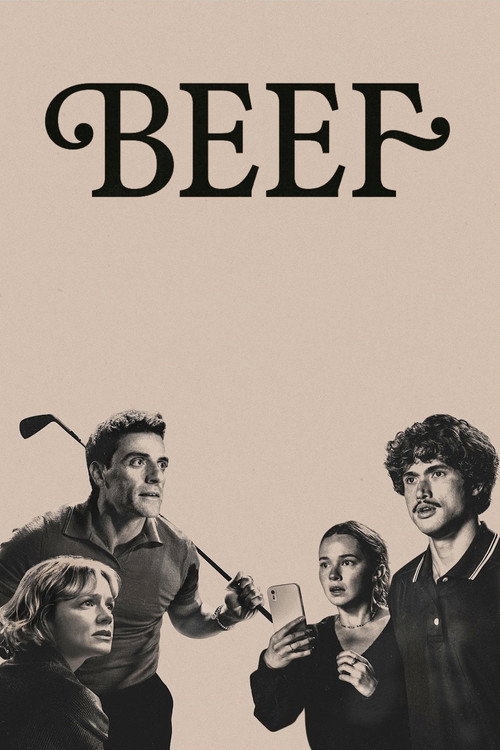
In Season 1, the soul of the show is built on desperation, but the Season 2 cast brings a whole new flavor of dysfunction. Charles Melton and Cailee Spaeny are the standouts here, playing a young couple caught in the orbit of two warring titans played by Oscar Isaac and Carey Mulligan. Melton, in particular, continues to prove he’s more than just a heartthrob, bringing a vulnerable, frantic energy to a character who is way out of his depth.
A specific character moment that showcases the writing quality is a scene in the second season where a simple dinner conversation devolves into a terrifying display of passive-aggressive power dynamics. It’s not about shouting; it’s about the silence between the words and the way these characters use their history as a weapon. Then there’s Oscar Isaac, who brings a brooding, magnetic intensity that makes you understand why people would follow him into ruin. The brilliance of these characters lies in their relatability; even when they are doing objectively terrible things, you see the kernel of hurt that started it all. They aren't traditional villains; they are just people who have run out of patience with the world and themselves, making them impossible to look away from.
Acting: Cast Breakdown
The acting in BEEF is nothing short of transformative. In the latest season, Oscar Isaac and Carey Mulligan deliver a masterclass in "prestige" acting. Isaac avoids the usual tropes of a brooding lead, instead giving us someone whose charm is a thin veil for a very dangerous instability. Carey Mulligan is his perfect foil, providing a sharp, brittle performance that feels like watching glass shatter in slow motion.
The chemistry between Charles Melton and Cailee Spaeny provides the necessary emotional grounding; they feel like real people caught in a nightmare rather than characters in a script. If there is a weak link, it’s only because the supporting cast is so stacked that some talented actors feel slightly underutilized in the grand scheme of the 18-episode run. However, the addition of Youn Yuh-jung brings a much-needed gravitas and a different generational perspective on conflict that elevates the entire production. Each actor leans into the "ugly" parts of their characters, refusing to make them likable, which is exactly why the performances are so compelling and honest.
Should You Binge BEEF? Final Verdict
📌 Related Posts
📺 What's your favourite season? Let us know in the comments!
Where to Watch? Watch This Series on Dekho Prime
