

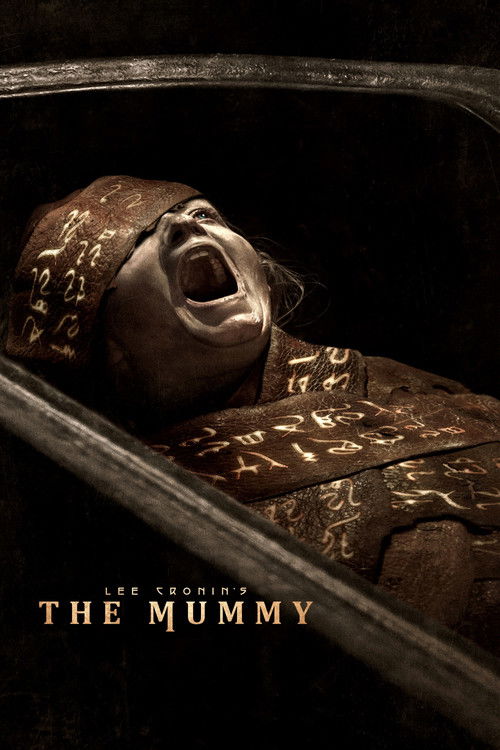
Lee Cronin's The Mummy Review: A Haunting Horror Masterpiece
Lee Cronin has officially buried the Brendan Fraser campiness to deliver the most skin-crawling horror of the decade.
You probably remember the "mummy" as a CGI-heavy action romp or a dusty relic of Hollywood’s past, but forget all of that. When you sit down for Cronin’s take, you aren't getting tomb-raiding adventures; you're getting a visceral, claustrophobic descent into parental grief and ancient dread. Imagine the worst day of your life—the day your child vanishes—and then imagine them coming back as something... else. It’s a bold, unapologetic swing that proves horror is at its best when it’s deeply personal. If you’ve been craving a movie that actually makes your skin prickle, this is it.
Is Lee Cronin's The Mummy Worth Watching? (Quick Verdict)
| Our Rating | 8.6/10 — A haunting, high-stakes triumph. |
| Best For | Fans of Hereditary and Evil Dead Rise. |
| Skip If | You want a lighthearted popcorn flick. |
This isn't just a jump-scare fest; it’s a psychological gauntlet that rewards patient viewers. Lee Cronin masterfully blends desert folklore with modern trauma, making for a truly unsettling experience.
Plot: What's Lee Cronin's The Mummy Actually About?
The story centers on Maya (Laia Costa) and Elias (Jack Reynor), a couple whose lives shattered nearly a decade ago. Their world stopped turning when their young daughter disappears into the vast, unforgiving expanse of the Jordanian desert. Maya, a relentless journalist who never stopped digging for the truth, has spent eight years chasing shadows while Elias tried to move on. Suddenly, the girl returns. But the eight-year-old who walked into the sand isn't the teenager who walks back out. She hasn't aged a day.
As the family attempts to integrate this "miracle" back into their home, the atmosphere shifts from relief to mounting terror. Strange sandstorms begin to plague their suburban neighborhood, and the girl’s behavior suggests she brought something ancient and hungry back with her. Every shadow in their house starts to feel like a shroud, and Maya's investigative instincts scream that this isn't a reunion—it's an invasion. The mystery of where she went is nothing compared to the question of what she has become. By the time the third act hits, you’ll realize that some things are better left buried in the dunes.
Direction & Writing: Does It Deliver?
Lee Cronin, the man who made us fear cheese graters in Evil Dead Rise, brings a much more clinical, surgical precision to this script. He avoids the "shaky cam" tropes of modern horror, opting instead for slow, agonizing pans that force you to look at things you’d rather ignore. The pacing is a slow-burn masterclass; he lets the domestic tension simmer until the supernatural elements feel like an inevitable explosion.
There’s a specific sequence in the second act where the daughter is sitting at the dinner table, eating raw meat while the camera stays locked on her unblinking eyes for three full minutes. It’s agonizing. Cronin understands that the true mummy isn't just a wrapped corpse; it’s the idea of something preserved in time, refusing to decay or change. The writing occasionally leans a bit too heavily into the "grieving parent" tropes we've seen in recent A24-style horror, but the unique desert mythology he weaves in keeps it feeling fresh. He balances the mystery of the disappearance with the immediate threat of the return perfectly, ensuring the stakes never feel less than life-or-death.
Performances: Who Shines, Who Doesn't?
Laia Costa is the undisputed soul of this film. As the journalist mother who has traded her sanity for a lead, she oscillates between manic hope and paralyzing fear with terrifying ease. There’s a scene where she’s trying to brush her daughter’s hair, only for a handful of ancient, dry linen to come away in the brush; Costa’s silent, shaking reaction is enough to win her every award on the circuit. Jack Reynor provides a solid, grounded counterpoint as the father who desperately wants to believe in the lie, though his character feels slightly sidelined in the final act.
May Calamawy is a scene-stealer in a supporting role as a local guide who knows more than she’s letting on, bringing a much-needed gravity to the desert sequences. The real surprise, however, is Shylo Molina as the returned daughter. Playing a child who is simultaneously innocent and predatory is a massive ask, but she pulls it off with a physical performance that is genuinely unnerving. If there’s a weak link, it’s the occasional over-acting from the secondary police characters, but they are onscreen so briefly it hardly matters.
Visuals, Score & Production
The cinematography by Dave Garbett is breathtakingly bleak. He treats the desert not as a beautiful landscape, but as a monochromatic, suffocating entity. The color palette is heavy on ochre, bone-white, and deep, bruised purples, making the suburban setting feel just as alien as the dunes. The sound design is perhaps the film’s greatest weapon. Instead of loud orchestral stings, we get the constant, rhythmic sound of shifting sand and the dry, rasping breath of something hidden in the vents. The score is minimalist, using dissonant strings that sound like they’re being played on ancient, brittle instruments. It creates an atmosphere of dry, dusty decay that you can almost taste. The practical effects used for the "mummification" process are subtle—peeling skin that looks like parchment and eyes that look like clouded glass—proving that less is often much more.
The Good & The Bad
What Works:
- The atmosphere is incredibly thick, creating a sense of dread that starts in the first frame and never lets up.
- Laia Costa delivers a career-defining performance that captures the frantic energy of a mother’s desperation.
- The creature design avoids all the "walking bandage" cliches, offering a much more grounded interpretation of the myth.
- The sound design uses silence and subtle rustling to create more scares than any CGI monster could.
What Doesn't:
- The middle section drags slightly as the narrative leans a bit too hard into repetitive domestic arguments.
- Some of the supporting characters feel like "horror fodder" with very little development before their inevitable exits.
Final Verdict: Should You Watch Lee Cronin's The Mummy?
The Mummy is a rare breed of horror film that respects its audience's intelligence while absolutely terrifying them. Lee Cronin has taken a dusty, overused monster and turned it into a metaphor for the things we refuse to let go of. It’s a beautifully shot, expertly acted, and genuinely haunting look at what happens when our prayers are answered in the worst way possible. If you loved the atmospheric dread of The Babadook or the visceral intensity of Evil Dead Rise, this is a mandatory theatrical experience. It’s the kind of movie that follows you home and makes you check the corners of your ceiling before you turn off the light.
DekhoPrime Rating: 8.6/10
Have you watched Lee Cronin's The Mummy yet? Drop your take in the comments!
Frequently Asked Questions
Q: Is Lee Cronin's The Mummy suitable for kids?
A: Absolutely not. Between the psychological intensity of a missing child and some truly gruesome body horror, this is strictly for the adult crowd.
Q: How does Lee Cronin's The Mummy compare to similar movies in the same genre?
A: It trades the action-adventure tropes of the 1999 version for the high-tension dread of modern "elevated horror" like Hereditary. It’s much scarier and more emotional than any previous entry in the franchise.
📌 Related Posts
🎬 Have you watched this movie? Drop your thoughts in the comments!
Where to Watch? Watch This Movie on Dekho Prime
