

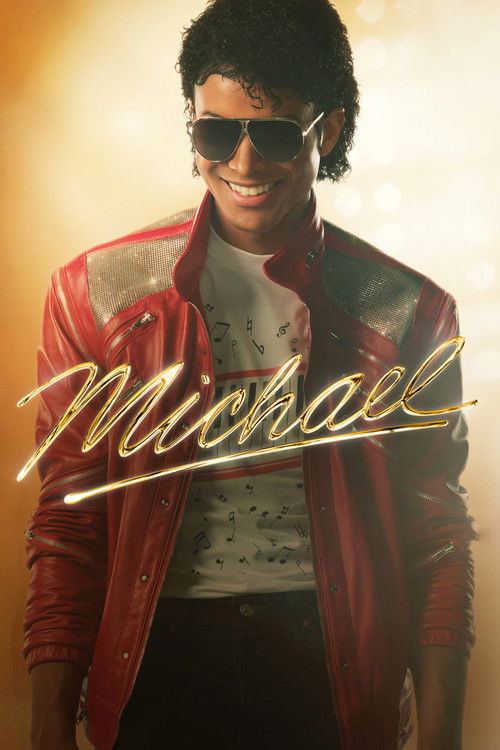
Michael Review: A Moonwalk Through a Legend’s Troubled Soul
This isn't just a highlight reel; it’s a haunting, high-voltage look at the man behind the mask.
You think you know the michael story, but Antoine Fuqua wants to show you the scars beneath the sequins. Whether you grew up mimicking the moonwalk or only know him through headlines, this film demands your attention. It’s a sensory explosion that balances the glitz of the world’s most influential artists with the crushing weight of a childhood lost to the spotlight. You’ll find yourself swinging between awe at the talent and a deep, uncomfortable empathy for the human being trapped inside the icon. It’s bold, it’s loud, and it’s unapologetically cinematic, pulling you into a life that was as tragic as it was triumphant.
Is Michael Worth Watching? (Quick Verdict)
| Our Rating | 7.6/10 — Soulful but Sanitized |
| Best For | Music history buffs and MJ superfans |
| Skip If | You wanted a gritty, warts-and-all exposé |
It captures the magic of the performance perfectly, even if it treads lightly on the darker controversies. It’s a visual feast that reminds us why he ruled the world.
Plot: What's Michael Actually About?
We start in Gary, Indiana, where the raw, unpolished energy of the Jackson Five sets the stage for a meteoric rise. This isn't a dry Wikipedia entry; it’s an emotional dive into the pressures of a patriarch-driven dynasty. We see the transition from the Motown charm to the "Thriller" era dominance, focusing heavily on how creative ambition can become a double-edged sword. The narrative leans into his isolation, showing a man who could command millions from a stage but struggled to find peace in a quiet room. We witness the birth of iconic music videos and the grueling rehearsals that defined his perfectionism.
Rather than just listing hits, the script attempts to bridge the gap between the public "King of Pop" and the private individual who felt like a perpetual outsider. From the dizzying heights of the 1980s to the mounting pressures of the 90s, the film paints a portrait of a man constantly running from his past while racing toward a legacy that would outlive him. As the world’s scrutiny intensifies and the health struggles begin to mount, the glitz starts to fade into a more somber reality. But as the final curtain approaches, you have to wonder: was the crown worth the cost?
Direction & Writing: Does It Deliver?
Antoine Fuqua brings his signature grit to a genre that often feels too glossy. He treats the concert sequences like high-stakes action scenes, making the sweat and the stakes feel real. However, the writing by John Logan occasionally feels like it’s checking boxes to appease the estate. There’s a specific moment during the filming of the "Billie Jean" sequence where the camera lingers on Jaafar’s face in a tight close-up, capturing a flicker of profound loneliness amidst the flashing lights—this is where Fuqua shines. He finds the human heartbeat in the spectacle.
The pacing is generally tight, though the middle act slows down significantly as it tackles the legal and personal turmoils of the later years. While the screenplay avoids some of the more "dangerous" questions, it succeeds in making Michael feel like a character rather than a caricature. The transitions between the 70s funk era and the 80s pop explosion are handled with a stylistic flair that keeps the energy high, even when the narrative starts to feel a bit safe. It’s a directorial effort that respects the legend while trying to find the man.
Performances: Who Shines, Who Doesn't?
Let’s talk about Jaafar Jackson. The pressure must have been astronomical, but he doesn’t just mimic his uncle; he channels him. In the scene where he’s practicing the moonwalk for the first time in front of a mirror, the sheer physical commitment is staggering—you see the frustration, the muscle memory, and finally, the spark of genius. It’s a transformative performance that carries the entire movie. Colman Domingo is terrifyingly good as Joe Jackson, bringing a complex blend of "tough love" and genuine menace that explains so much of Michael’s psyche. He doesn't play a villain; he plays a man obsessed with excellence at any price.
Nia Long provides the much-needed emotional anchor as Katherine Jackson, offering a quiet strength that balances Joe’s volatility. The younger Michael, played by Juliano Krue Valdi, is a revelation, capturing that precocious, soulful energy that made the Jackson 5 a phenomenon. If there’s a weak link, it’s some of the secondary industry figures who feel a bit one-dimensional and serve mostly as exposition delivery systems. However, with a lead performance this magnetic and a supporting cast this seasoned, you hardly notice the background noise.
Visuals, Score & Production
The cinematography is breathtaking, shifting from the grainy, warm tones of 1960s Indiana to the neon-soaked, high-contrast vibrancy of the 1980s. The lighting choices during the "Thriller" era recreations are particularly inspired, using shadows to mimic the horror-film aesthetic Michael loved so much. Sound design is, unsurprisingly, the MVP here. Every stomp, every finger snap, and every vocal hiccup is mixed with bone-rattling clarity. The score doesn't just rely on the hits; it uses orchestral swells to underscore the tragic isolation of the Neverland years. The recreation of the 1984 Grammy appearance is a visual triumph, capturing the opulence and the sheer scale of his fame. It’s a movie that demands the biggest screen and the loudest speakers you can find to truly appreciate the craftsmanship involved in recreating these influential moments in music history.
The Good & The Bad
What Works:
- Jaafar Jackson’s performance is a career-defining turn that goes beyond mere imitation.
- The musical set-pieces are choreographed to perfection, capturing the electricity of the original performances.
- Colman Domingo’s nuanced portrayal of Joe Jackson avoids the "cartoon villain" trope while remaining chilling.
- The production design meticulously recreates different eras, making the 70s and 80s feel lived-in and authentic.
What Doesn't:
- The script glosses over the more controversial aspects of his life, leaning toward a protective narrative.
- At nearly three hours, the pacing in the final act feels slightly bloated and repetitive.
Final Verdict: Should You Watch Michael?
Michael is a towering achievement in the biopic genre, even if it feels a little too careful with its subject's legacy. It’s a must-watch for anyone who wants to understand the sheer magnitude of his impact on the world. While it might not answer every question you have about the man, it beautifully illustrates the journey of one of the most influential artists to ever pick up a microphone. You’ll leave the theater with the songs stuck in your head and a heavy heart for the boy who never got to grow up. It’s a spectacle, a tragedy, and a celebration all rolled into one shimmering package.
DekhoPrime Rating: 7.6/10
Have you watched Michael yet? Drop your take in the comments!
Where to Watch Michael Legally
Michael is currently playing in theaters globally. Following its theatrical run, check official streaming platforms in your region such as Netflix, Prime Video, or Disney+ for its digital debut.
Frequently Asked Questions
Q: Is Michael based on a true story?
A: Yes, it is a biographical drama based on the real-life events of Michael Jackson's career and personal life. It draws from historical records and accounts from those close to him, though some creative liberties are taken for dramatic effect.
Q: Is Michael suitable for kids?
A: The film is generally intended for older teens and adults due to themes of emotional abuse, intense pressure, and some mature subject matter. Parents should use discretion as it explores the psychological toll of child stardom and the darker side of fame.
📌 Related Posts
🎬 Have you watched this movie? Drop your thoughts in the comments!
Where to Watch? Watch This Movie on Dekho Prime
