

A neon-drenched, high-energy time capsule that proves boyband brotherhood is eternal, even without 5G.
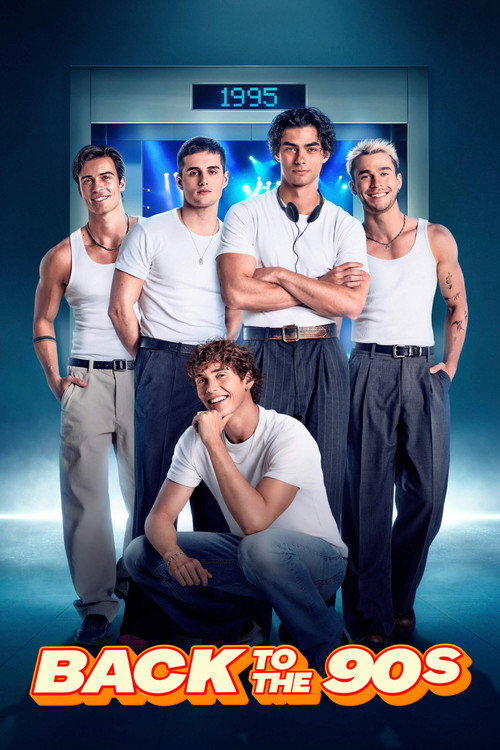
Back to the 90s Review: A Neon-Soaked Trip Worth Taking
Have you ever looked at your smartphone and wondered how you’d survive if you were suddenly dropped into a decade where "tweeting" was just something birds did? That is the chaotic, colorful energy Back to the 90s taps into from the very first frame. You probably recognize the lead cast from your social feeds, but don’t let the "influencer" tag fool you; this movie has a surprising amount of heart tucked under its baggy denim. It’s a vibrant, surprisingly thoughtful comedy that uses nostalgia as more than just a cheap aesthetic. If you’re looking for a feel-good escape that balances catchy hooks with genuine friendship, you’re in the right place.
Is Back to the 90s Worth Watching? (Quick Verdict)
| Our Rating | 7.3/10 — Pure Retro Joy |
| Best For | Nostalgia hunters and pop-music stans |
| Skip If | You have zero tolerance for boyband tropes |
This is a polished, fun-filled ride that manages to be more than just a vehicle for its famous leads. While it hits some predictable beats, the chemistry of the core group makes the "fish out of water" humor land perfectly.
Plot: What's Back to the 90s Actually About?
Imagine being at the absolute peak of your career, only for a freak technical incident to pull the rug out from under you. This rising boyband is on the verge of a global showcase that will define their future when a mysterious glitch during a high-tech livestream sends them spiraling thirty years into the past. Suddenly, Jacob, Luis, Bene, Julien, and Tim find themselves in 1995—a world of payphones, floppy disks, and zero Wi-Fi.
The stakes are sky-high: they have only a few days to find a way back before the "glitch" seals shut, or they’ll be erased from their own timeline forever. But the 90s aren't just about the lack of Instagram; the group is forced to navigate the raw, unpolished music scene of the era. As they try to replicate their polished 2026 sound with 1995 technology, they realize that their bond is being tested in ways the modern world never required. They meet local musicians who challenge their "manufactured" image, leading to a race against time that is as much about finding their true sound as it is about finding a way home. Will they make it back to their showcase, or will the allure of a simpler time keep them stranded in the age of grunge and cassettes?
Direction & Writing: Does It Deliver?
Facundo Scalerandi proves he has a keen eye for balancing two very different eras without letting the movie feel like a parody. His directorial choices emphasize the sensory shock of the time jump—moving from the cold, sterile blues of a 2026 tech-heavy studio to the warm, grainy, and slightly chaotic oranges of 1995. The pacing is relentless, which works in a movie about a ticking clock, but Scalerandi knows when to let the camera linger on the quiet moments of realization between the five friends.
The screenplay avoids the easy trap of making every joke about "What is a VCR?" Instead, it focuses on the internal friction of the group. A standout moment occurs during a rehearsal scene in a dusty 90s garage where the boys realize they can’t rely on auto-tune or backing tracks. This scene highlights the writing’s strength: it uses the historical setting to strip the characters down to their bare essentials. While some of the dialogue regarding the "science" of the time-slip feels a bit thin and rushed, the emotional beats regarding what they are willing to leave behind feel earned. Scalerandi manages to make a movie starring internet icons feel like a legitimate piece of cinema rather than a long-form commercial.
Performances: Who Shines, Who Doesn't?
Jacob Rott anchors the group with a performance that is surprisingly grounded. He carries the weight of the "leader" role well, especially in a pivotal scene where he has to convince a cynical 90s record store owner that their music has soul. His transition from a confident, tech-savvy star to a vulnerable artist trying to find his voice in an analog world is the movie's emotional heartbeat. The chemistry between the five—Rott, Freitag, Schulz, Brown, and Schäcker—is undeniable. They have a shorthand that only comes from real-world friendship, and it translates beautifully to the screen.
Luis Freitag provides much of the comedic heavy lifting, perfectly capturing the horror of a Gen Z icon realizing his "brand" doesn't exist yet. If there is a weak link, it’s perhaps the underutilization of Julien Brown, who has great screen presence but isn't given as much of an individual arc as Jacob or Luis. However, as an ensemble, they work like a well-oiled machine. There is a specific moment during an "unplugged" performance in a small club where the group’s harmony—both vocal and personal—really shines, proving that these five aren't just faces on a screen; they have the acting chops to carry a feature-length narrative.
Visuals, Score & Production
The visual contrast in Back to the 90s is its greatest technical achievement. The 2026 sequences are shot with a sharp, high-definition clarity that feels almost clinical, while the 1995 sequences utilize a softer focus and a saturated color palette that feels like an old Polaroid coming to life. The production design perfectly captures the transition era of the mid-90s, avoiding the neon "80s-lite" mistakes many retro films make.
The score is, predictably, a banger. It blends modern synth-pop with 90s breakbeats and grunge-inspired riffs. The original songs performed by the boyband are catchy enough to stay in your head for days, but the way the sound design changes—becoming thinner and more "live" when they are in the past—adds a layer of authenticity. The music doesn't just sit in the background; it drives the plot forward, serving as the bridge between the two centuries.
The Good & The Bad
What Works:
- The chemistry between the leads feels authentic and lived-in, making the stakes feel personal.
- The 90s production design is spot-on, capturing the specific "middle-ground" tech of 1995 perfectly.
- The soundtrack is a masterclass in blending modern pop sensibilities with retro influences.
- The humor is self-aware without being overly cynical about the "influencer" culture the actors come from.
What Doesn't:
- The explanation for the mysterious glitch is a bit "hand-wavy" and lacks internal logic.
- The secondary characters in the 1995 timeline feel a bit like one-dimensional obstacles rather than real people.
Final Verdict: Should You Watch Back to the 90s?
Back to the 90s is a total vibe. It’s a movie that knows exactly what it wants to be: a fun, nostalgic, and musically-driven adventure that doesn't take itself too seriously. While the time-travel mechanics won't win any awards for scientific accuracy, the growth of the characters and the infectious energy of the performances make it a winner. It’s the perfect weekend watch for anyone who loves pop culture, boyband dynamics, or just wants to see what happens when the TikTok generation meets the "Walkman" generation. It’s light, it’s bright, and it’s got a heart of gold. You’ll come for the stars, but you’ll stay for the surprisingly sweet story of friendship.
DekhoPrime Rating: 7.3/10
Have you watched Back to the 90s yet? Drop your take in the comments!
Where to Watch Back to the 90s
You can catch Back to the 90s on major streaming platforms like Netflix and Amazon Prime Video, or check your local cinema listings for a big-screen experience. For an integrated viewing experience, you can also launch the title directly through the DekhoPrime player.
Frequently Asked Questions
Q: Is Back to the 90s based on a true story?
A: No, the movie is a fictional comedy-drama. While the lead actors are a real-life group known as The Elevator Boys, the time-travel plot and the "glitch" are entirely products of the screenwriters' imaginations.
Q: Is Back to the 90s suitable for kids?
A: Yes, it is generally family-friendly and carries a rating similar to most teen comedies. It focuses on themes of friendship and music, with mild language and no graphic content, making it a great choice for a family movie night.
Q: How does Back to the 90s compare to similar movies in the same genre?
A: It feels like a mix between Back to the Future and a classic boyband documentary. It has more polished production values than your average TV movie and leans more into the musical performance aspect than traditional sci-fi films.
Q: Where can I watch Back to the 90s?
A: The movie is available on several digital platforms including Apple TV+ and Disney+ in certain regions. You can also use the DekhoPrime app to find the best streaming options and watch the movie through our dedicated player.
SEO_TITLE: Back to the 90s Review: A Fun, Retro Boyband Adventure
META_DESC: Is Back to the 90s worth the hype? Read our sharp review of this mysterious boyband time-travel comedy starring Jacob Rott. Read our full review now.**
🎬 Have you watched this movie? Drop your thoughts in the comments!
Watch on DekhoPrime
